





STATEMENT RELEASE: Statement on Biden Administration’s Overdose Initiative
Community Health and Prevention


Bernie Sanders is serving his third term in the U.S. Senate after winning re-election in 2018. Sanders remains on the veterans committee and was tapped by Senate leadership to be the chairman of the Senate Health, Education, Labor, and Pensions (HELP) Committee.

We have a surprise speaker that we will be announcing soon.

A primary care physician with extensive health policy expertise and experience working on Capitol Hill and in the White House.

A board-certified, emergency medicine physician and the president of the New England Medical Association.
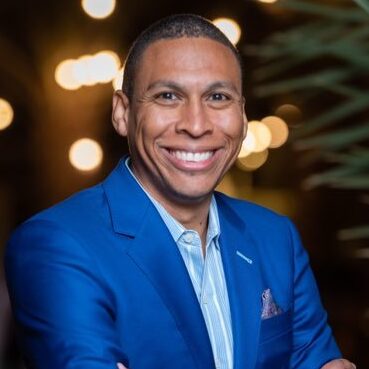
An ER physician and Associate Professor in the Henry J. N. Taub Department of Emergency Medicine at Baylor College of Medicine.
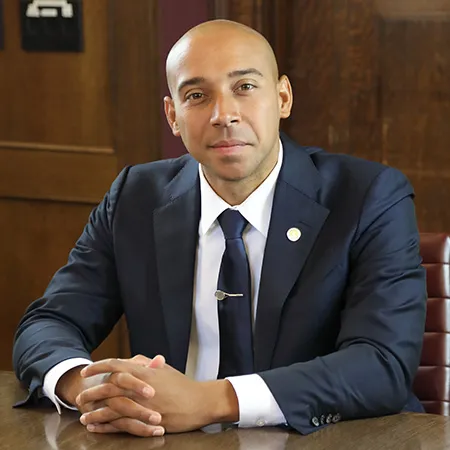
An ER physician and Assistant Professor at Harvard Medical School and Harvard Kennedy School.

Launched ACASignups.net as a hobby, using crowdsourcing to track enrollments in real time. His work soon caught the attention of major media outlets, and has been cited and used as a resource ever since.
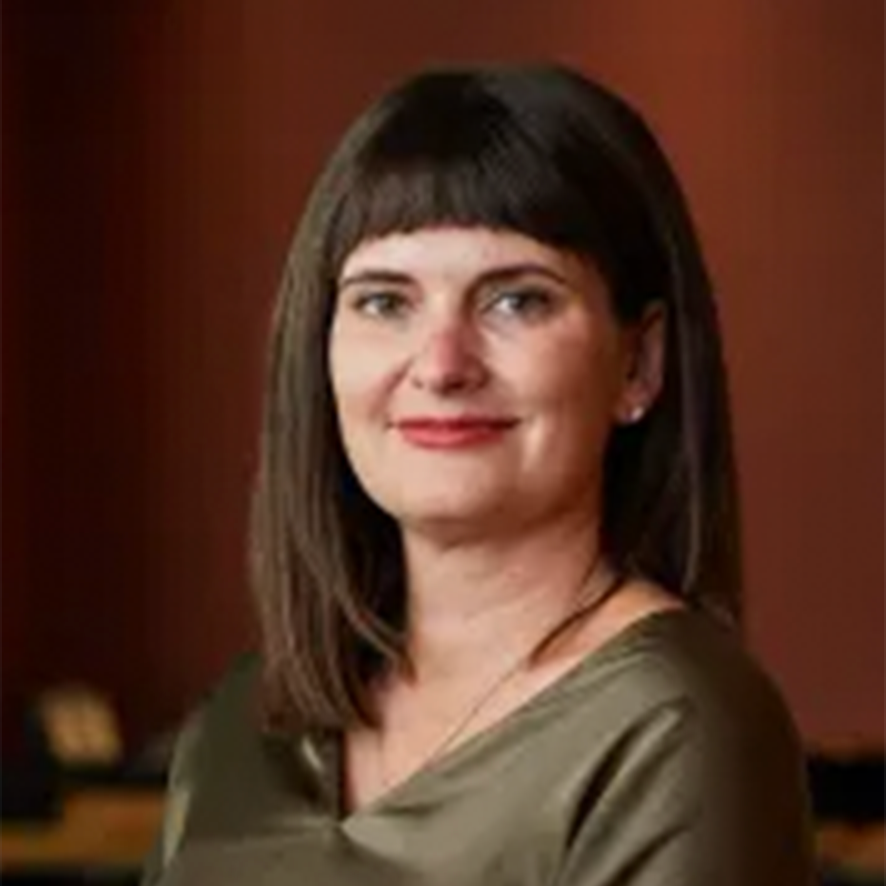
A vice president and Director of the Program on the ACA, where she conducts economic and policy research on the Affordable Care Act and its effects on private insurers and enrollees. Her work focuses on enrollment, pricing and competition in the ACA’s exchange markets.

A director of the Health Policy and the Law Initiative at the O’Neill Institute and an adjunct professor at Georgetown Law. He focuses on providing technical assistance for policymakers and public education on health policy legal issues.

Executive Director at Vot-ER and Civic Health Month where she works to bring voter registration into health care settings, including emergency rooms, hospitals, and community health centers.

A board-certified and practicing primary care internist at Brigham and Women's Hospital and Harvard Medical School, and a medical officer in the Learning and Diffusion Group at the Center for Medicare and Medicaid Innovation (CMMI) within the Centers for Medicare and Medicaid Services (CMS).

Led specific efforts tackling a variety of policy issues including the COVID-19 pandemic, future of public health, opioid crisis, obesity epidemic & nutrition, health & housing, domestic and global HIV/AIDS, business & public health collaboration, emergency preparedness, social isolation, rural health, and prescription drug costs.

Senior Science Policy Analyst at the Office National Drug Control Policy (ONDCP), a component of the Executive Office of the President. She has been a career federal employee for 23 years including 12 years at the National Institutes of Health’s National Institute on Drug Abuse.

Serves as President of Physicians for Responsible Opioid Prescribing, an
organization that advocates for more cautious opioid prescribing. He is one of the
nation's leading experts on the opioid crisis.
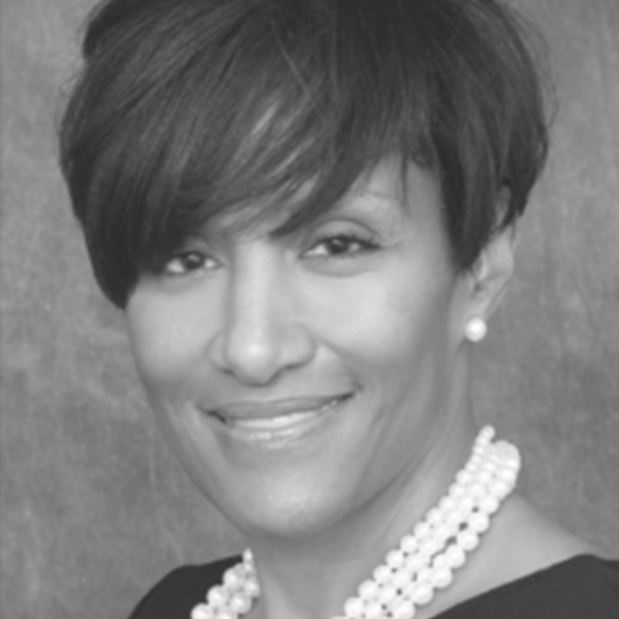
Serves Ujima Inc., The National Center on Violence Against Women in the Black Community as Chief Legal Officer. Gretta is primarily responsible for managing operations and staff; engaging in state, local, and federal policy discussions impacting Black survivors of gender-based violence.

Policy Advocate for Children & Health at Futures Without Violence in Washington, DC. Prior to her time at Futures, she focused on preventing further firearm violence and homicides through advocacy and lobbying for legislation that establishes community- based violence intervention and prevention funding throughout the states.

Has 20 years of experience partnering with socially marginalized people at the clinical medicine and public health interface. She has experience in building cross-sector collaborations to improve health outcomes, and appreciates working with others who are invested in health equity & intersectional justice.

Sabrina Talukder is the director of the Women’s Initiative at American Progress. Talukder also worked at The Legal Aid Society in New York City for six years, where she started as an equal justice works fellow.

Sanjay Jumani, is a first-year clinical fellow in the Inter-Institute Endocrinology Training Program. Under the mentorship of NICHD Director of Pediatric and Adolescent Gynecology, Veronica Gomez-Lobo, MD, he studies metabolic outcomes in transgender adolescents and young adults.

A lawyer, advocate, and leader with a track record of taking on and winning critical fights that advance democratic values, stop abuses of power, and improve the wellbeing of people and communities.
All times are in Eastern Time unless otherwise noted.
Add event to calendar Apple Google Office 365 Outlook Web Outlook Yahoo
Add event to calendar Apple Google Office 365 Outlook Web Outlook Yahoo